Try a few of these everyday math activities with your preschooler for some educational fun using things you have at home.

Disclosure: As an Amazon Associate and member of other affiliate programs we earn from qualifying purchases. Read more.
What math skills does your preschooler need to learn at home before starting kindergarten? Don’t worry, it’s really more about introducing concepts than checking off a list.
As a parent or grandparent, it’s important to introduce your child to some everyday math, but don’t worry too much about a list of milestones. Encourage your child to explore all the ways we use math in everyday life and you’ll be surprised how much their curious mind picks up.
We’ve put together a list of fun ways to introduce your child to basic math concepts in an age-appropriate way. Most of these activities are things you’re probably already doing at home with your 3 to 5-year-old.
Preschool math tips
- Start with reading. Pick up books from your local library that introduce concepts like shapes, patterns, and counting.
- Follow your child’s lead. Kids learn better when they’re having fun, so let them focus on what interests them.
- Don’t worry about balance. While you might not want to do the same activity 15 times a day, remember that repetition is a key part of learning.
- Look for easy opportunities. Many of these preschool math skills involve counting, so you can have your child do that wherever you go!
Become a Happy Camper!
Sign up to receive our monthly email newsletter
and get a free printable 30 Day Reading Calendar!
Preschool math skills
Most of the math activities for preschoolers focus on introducing a handful of concepts.
Counting
As a general guideline, your child should be able to count to 10 by the time they start kindergarten, though they might go out of order sometimes. You can have them practice counting anything they like, anywhere you go.
Have a snack and count goldfish crackers. Read a picture book and count how many pages are left until the end. Visit the post office and count how many people are ahead of you in line.
Comparing
Comparing prepares kids for the math they’ll learn in elementary school and beyond. Your preschooler can practice simple comparisons with everyday objects.
This cookie is bigger than that one. That dog is smaller than ours. I have more checkers than you do.
Sorting
Practice sorting objects by shape, size, or color. There are plenty of preschool toys built specifically for this activity, but you can also simply sort blocks, cars, or any other small items.
Easy everyday math fun
Grocery shopping
A trip to the grocery store is full of learning activities. Ask your child to read the numbers on price tags, or look for a product with a certain number on it. Count how many apples you’re buying or compare which box of pasta is bigger.
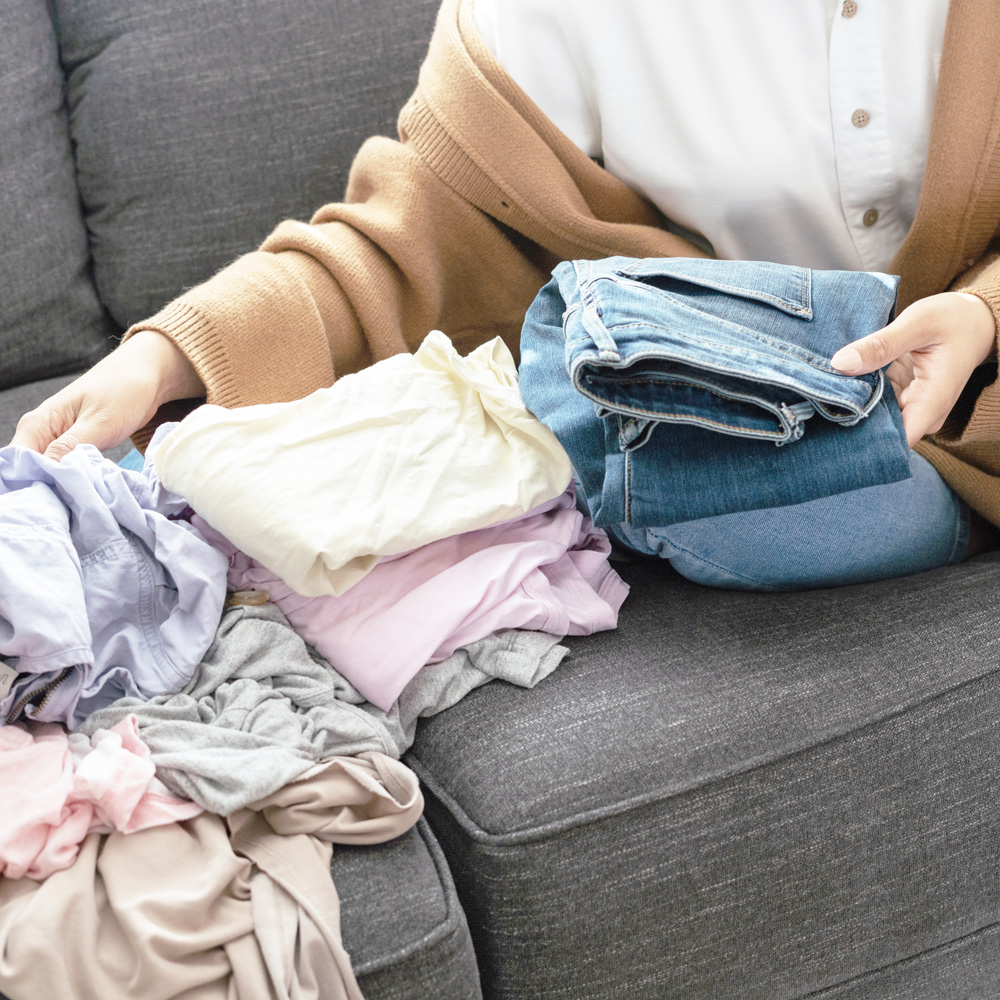
Sorting laundry
Have your child help sort laundry into piles. Sort dirty clothes by color before you wash them, then sort clean clothes by size (eg. who they belong to) so you can put them away. You can also have kids practice matching pairs of socks.
Running errands
Even a short car ride can be boring when you’re little. Turn it into a game of I Spy and ask your child to look out the window and name the numbers they can see.
Picking up stuffed animals
If your child has a large stuffed animal collection, it can be a great tool for learning math! Stuffed animals can be counted as you pick them up, then compared and sorted into groups to put away.

Waiting for a time
Time is abstract, so it can be a challenge for little ones. But counting minutes and waiting a certain amount of time are great math activities.
To understand short times, a cute egg timer is perfect. For example, say that they can watch a cartoon for 5 more minutes and set the timer. With longer times, use other markers as a guide. For example, tell them you’re going to the store after lunch.
Building with blocks
Spatial awareness is a key part of math, but one we don’t think about much as adults. Stacking up blocks to build a tower is a fun way to practice this skill.
Talk to your child about how they’re building. Does this block go beside or above the other one? Which one did you put behind the others?

Making jewelry
Get the big plastic pony beads out of your craft stash to make necklaces and bracelets. Stringing beads on yarn or pipe cleaner is a fun way to practice counting and patterns.
Playing a game
Board games for preschoolers are usually pretty simple because they’re practicing basic skills like following instructions and taking turns. Playing a game like Candyland is a great way to practice counting too, as your child moves their piece down the board.

Setting the table
Preschoolers can help set the table for dinner. Make sure each person gets one plate, fork, napkin, etc., and count them as they place them on the table.
Water play
Whether you have a water table or just set up a few water activities outside in the summer, kids will love getting messy while they do the math. Children can estimate how many cups of water will fill a bucket, count how many seconds it takes a toy boat to float across the water or use water balloons to work on spatial awareness.

Counting change
Counting money is an excellent activity because it gives your child something tactile to hold. Have them count pennies, compare the size of a penny and a quarter, or even play pretend store to buy items with play money.
Measuring a toy
Your child might already be excited to measure how much they’ve grown at each doctor’s visit. Or maybe you mark their progress on the doorway at home. Give them a ruler and let them measure and compare all their toys.

Weighing small items
If you have a kitchen scale, bring it out to measure all kinds of things. Kids will love weighing their toys and snacks. Choose 2 items and have your child estimate which one will weigh more. Compare items and line them up from lightest to heaviest.
Measuring ingredients
Having your child help you to prepare a meal in the kitchen involves lots of great math activities. Although measuring many ingredients with teaspoons and cups is a skill for older kids, there are still things a preschooler can do.
Let your child count the ingredients, for example, if you’re cooking 12 chicken nuggets for lunch. Or have them measure things that don’t need to be precise, such as 2 scoops of yogurt in their smoothie.

Try a few of these everyday math activities with your preschooler and you’ll soon discover that math is all around you. Save this post so you can come back to it when you need more ideas. You might just come up with a few of your own while you’re having fun together.
Plan your summer with the DIY Summer Camp Planner!
Our step-by-step guide will help you organize a day, a week, or a whole summer of fun activities for your kids.